
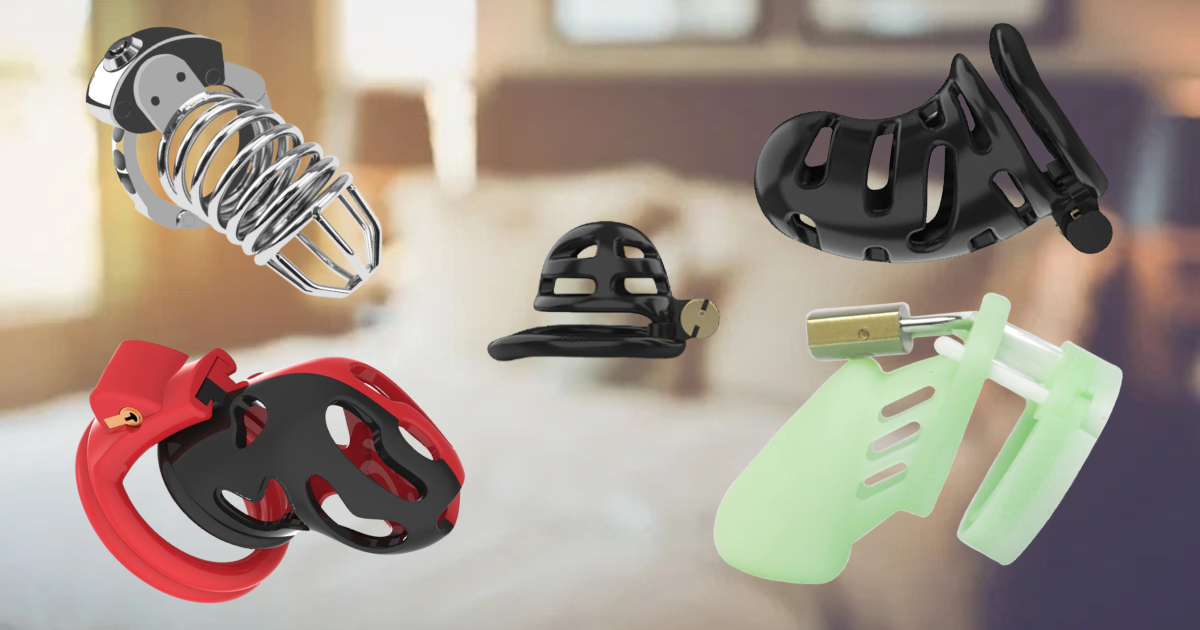
Chastity can work as a consensual power exchange when both partners understand the rules, the emotional purpose, and the limits. In a cuckolding dynamic, it often changes who sets the pace, who receives access, and how desire builds through denial.
- Chastity can shift control toward the partner who holds access, which can deepen trust when both people agree on the rules.
- Clear boundaries around permission, contact, and duration help prevent confusion and resentment.
- Teasing, praise, and structure keep long-term denial exciting without relying on vague promises.
- Good communication matters more than strictness, especially when expectations change.
- Different products suit different comfort levels, from soft options to firmer metal cages.

What Chastity means in a cuckolding arrangement
In a cuckolding arrangement, it is less about the device and more about the exchange of control. The wearer accepts that sexual release is no longer fully theirs to decide, and that creates a sharper sense of anticipation. That shift can be exciting because it makes desire feel managed instead of immediate.
For many couples, the appeal comes from contrast. One partner holds permission, attention, or outside sexual freedom, while the wearer stays restrained and focused on restraint itself. That difference can make affection, teasing, and permission feel more meaningful than ordinary sex.
How surrendering sexual access shifts control
When you give up sexual access, even temporarily, every small decision starts to matter more. A simple touch, a delayed release, or a rule about when to ask for permission can feel loaded with meaning. That is why chastity often strengthens the power dynamic without needing dramatic gestures.
The person holding the key, or simply holding the rules, becomes the one who controls timing. The wearer learns to wait, ask, and respond. If both partners enjoy that exchange, the power shift can feel grounded and intentional rather than one-sided.
Why the wearer often feels desire and frustration more intensely
Restriction often makes desire more noticeable. When release is blocked, attention moves toward touch, fantasy, and the next possible moment of permission. That can increase frustration, but it can also make arousal feel more vivid and sustained.
This is one reason it appeals to men who enjoy giving up control. The denial itself becomes part of the experience. Instead of chasing immediate satisfaction, the wearer stays in a state of waiting, which can heighten both longing and obedience.
How cuckolding can make the power exchange feel sharper
Cuckolding adds an emotional contrast that can intensify the dynamic. If one partner enjoys outside attention, the wearer may feel even more aware of his own limits. That difference can sharpen the sense of being guided, managed, or kept in a specific role.
In that setting, chastity is not just about prevention. It can become a visible symbol of access, trust, and hierarchy. The key point is that the couple should both understand what the arrangement is meant to express, so the emotional meaning stays clear.
For a broader overview of devices, comfort, and wear styles, the guide Chastity Device 101: All You Need to Know is a useful companion read.

Mens chastity rules that protect consent and clarity
Good rules make the experience safer and more satisfying. Without them, one partner may think the arrangement is playful, while the other feels trapped or ignored. Clear agreements turn restraint into a shared structure instead of an assumption.
Before any denial begins, talk about the practical details. Decide who holds the keys, how often you will check in, what counts as an emergency, and whether teasing is encouraged or off limits. Specific rules reduce anxiety and make the dynamic easier to enjoy.
What to agree on before any denial begins
Start with basics that sound unglamorous but matter later. Discuss hygiene, sleeping, exercise, intimacy, and how long the first stretch of wear should last. If either of you wants the option to stop quickly, say so before the lock goes on.
It also helps to define the emotional tone. Some couples want strictness. Others want playful control with regular praise. If you name the style early, you are less likely to misread silence, firmness, or teasing later.
How to define access, permission, and limits
Access should mean more than physical keyholding. It should also cover touch, release, and exceptions. For example, one partner may allow cleaning but not sexual contact, or permission to remove the device only for discomfort.
Clear limits stop minor misunderstandings from becoming bigger ones. If the wearer knows exactly when to ask, what to ask for, and what answers are possible, the dynamic feels more stable. That clarity is one of the main benefits of chastity for couples who like structure.
Why check-ins matter when expectations change
Expectations often shift after a few days or weeks. What felt exciting at first may start to feel too intense, too vague, or too repetitive. Short check-ins let both partners adjust before frustration grows.
Use the check-in to talk about comfort, mood, and desire. You do not need a long speech. A few direct questions can reveal whether the rules still fit. That habit keeps trust intact and helps the arrangement stay mutual.
For a product-focused look at devices and wear styles, the article The Loveangels Beginners Guide To Cock And Ball Bondage offers another useful perspective on restraint and fit.
Long term male chastity without resentment
Long-term play works best when the couple keeps the energy alive. If the rules become too vague, the wearer may feel forgotten instead of desired. If the rules become too rigid, the exchange can start to feel mechanical instead of erotic.
The goal is steady anticipation. That means balancing denial with attention, teasing, and clear signs that the arrangement still matters. Long term male chastity can stay exciting when the wearer understands what he is working toward, even if release is not immediate.
Share:
Latex and leather in BDSM: Choosing the right look